Offers Book a Stay
Offers Book a Stay

Meet Rita Osipova Winner of The Hari Art Prize 2026


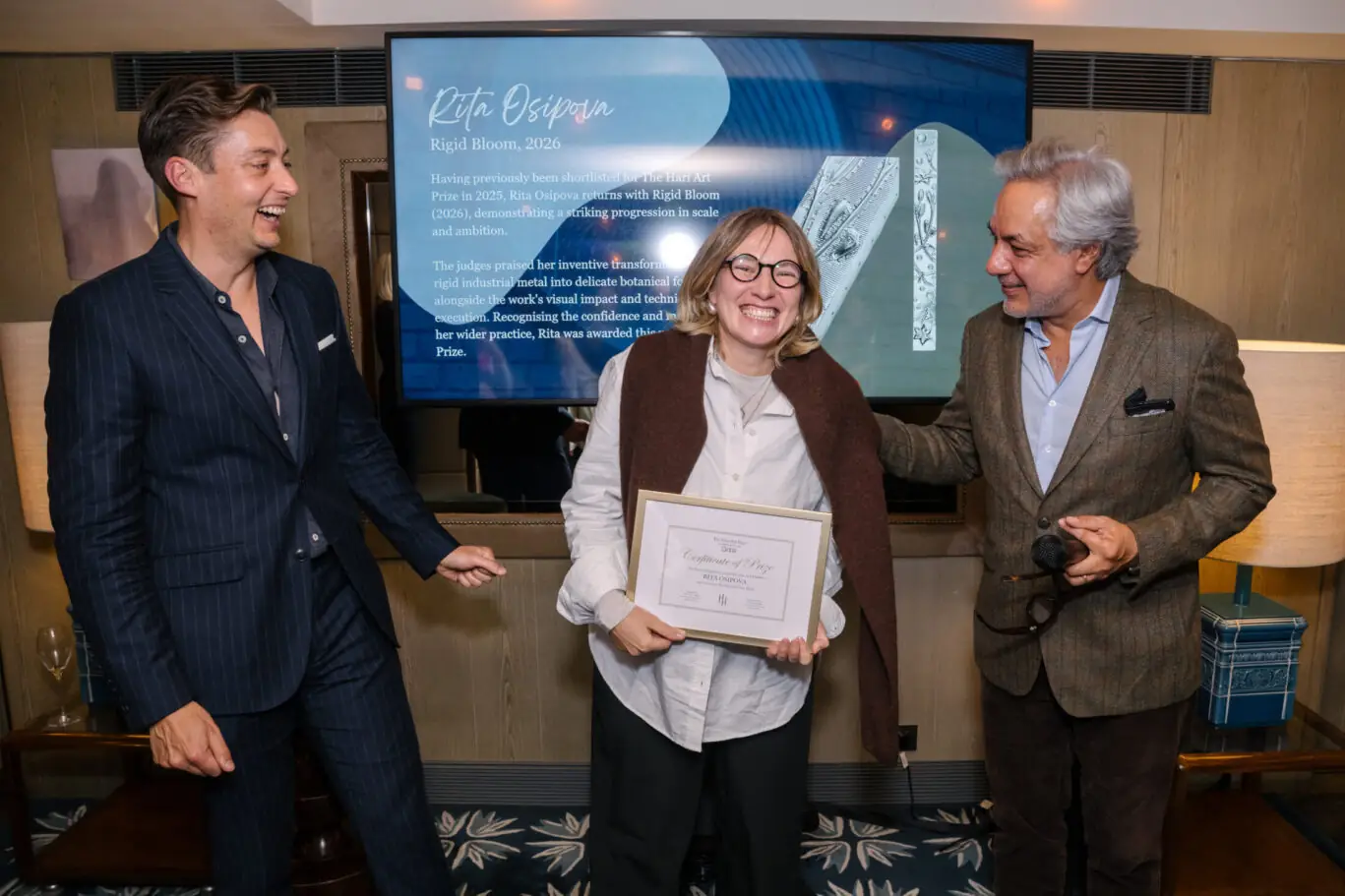
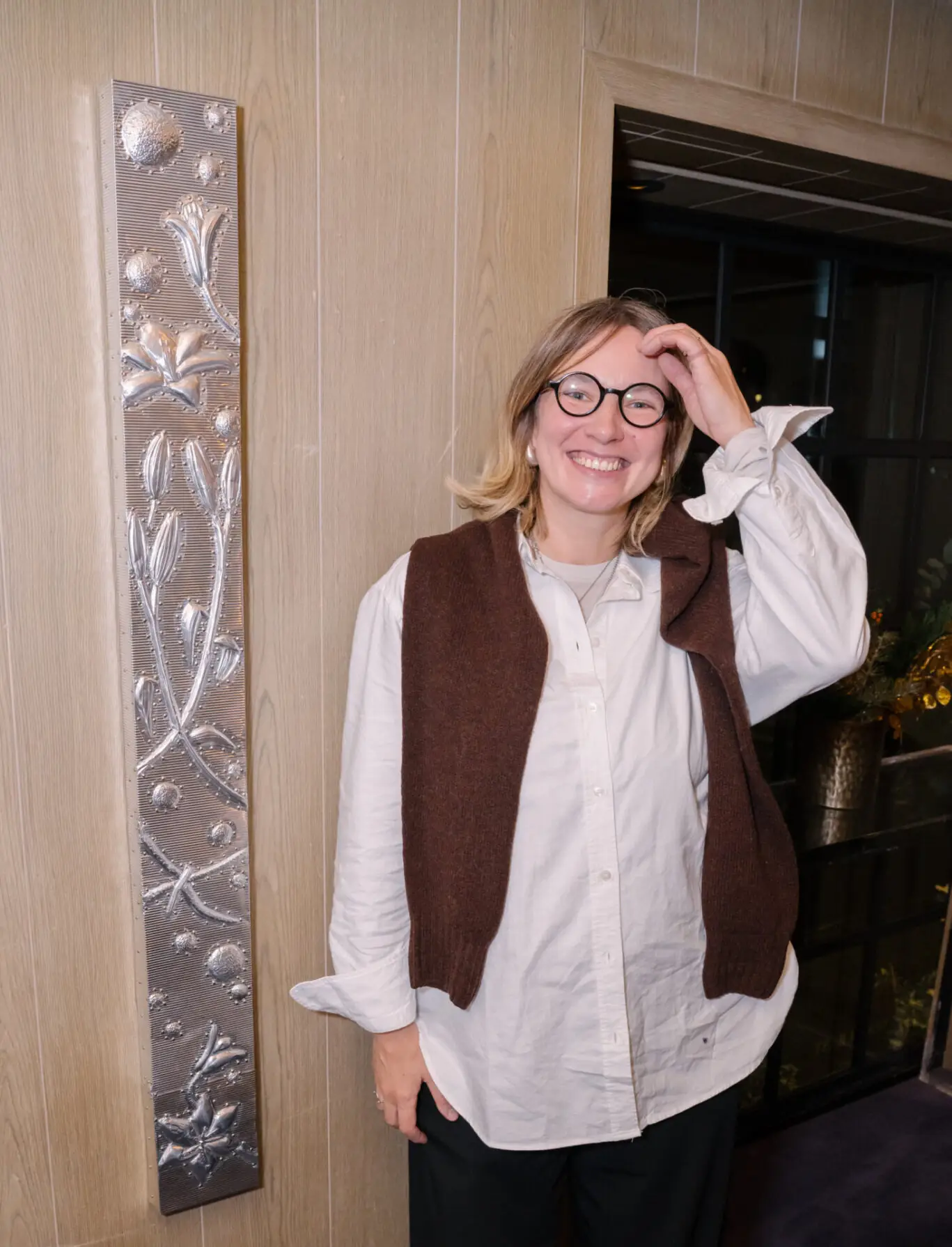
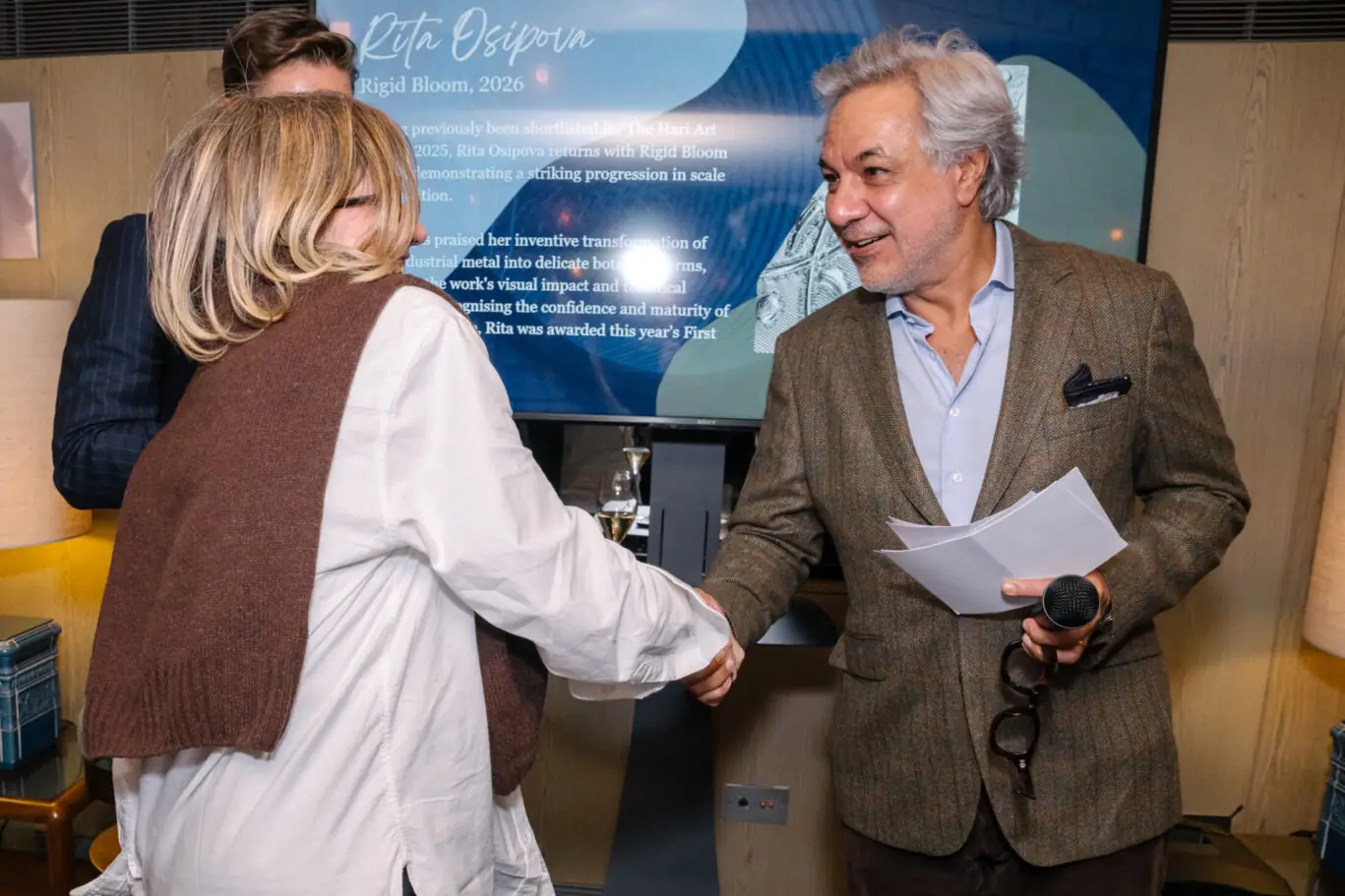
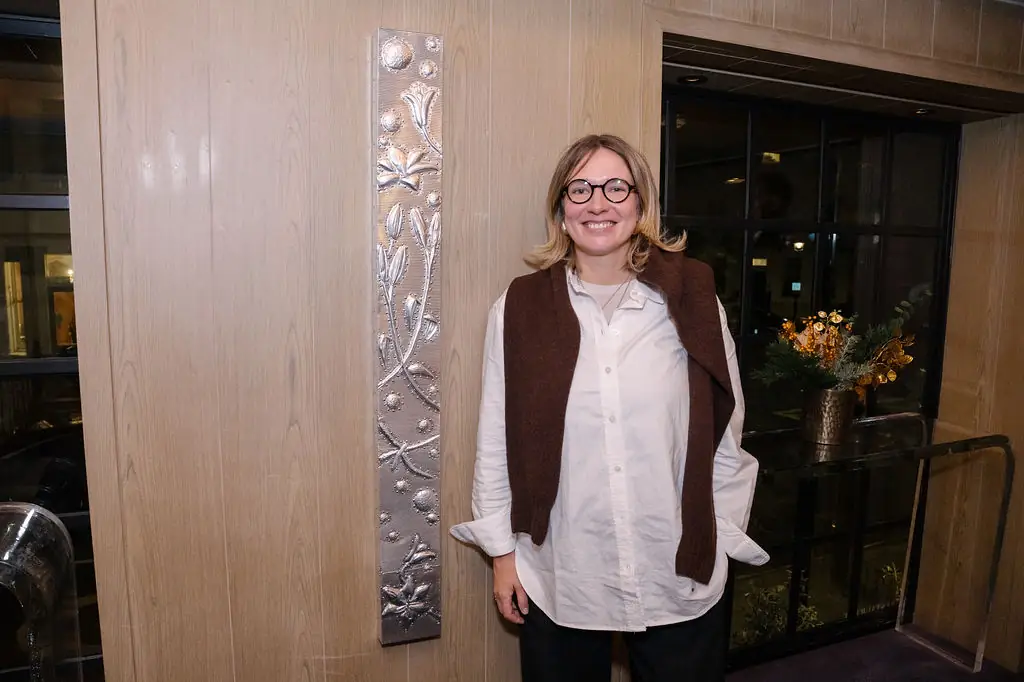
The winner of The Hari Art Prize 2026 is Rita Osipova, a multidisciplinary artist and curator based in Rotterdam, the Netherlands. Her winning work, Rigid Bloom, caught the attention of the judges through its intricate craftsmanship and exploration of the relationship between delicacy and rigidity.

Working across installation, photography, video and sculpture, Rita’s practice explores how an increasingly digitalised society is reshaping our perception, our relationships with the physical world and our sense of being.

Having been shortlisted for the prize in 2025, Rita returned this year to take home the first prize. We caught up with her to discover more about her artistic practice, the story behind Rigid Bloom and what lies ahead.

Tell us a little bit about yourself?


My name is Rita Osipova. I’m a multidisciplinary artist and curator currently based in Rotterdam, the Netherlands. My recent work explores the emotional landscape of living in an increasingly digitalised society: how technology reshapes our perception, our relationships with the physical world and ultimately our sense of being.

I work across installation, photography, video and sculpture, often allowing different materials and processes to become ways of thinking through these transformations.
Could you tell us about your overall experience participating in The Hari Art Prize?


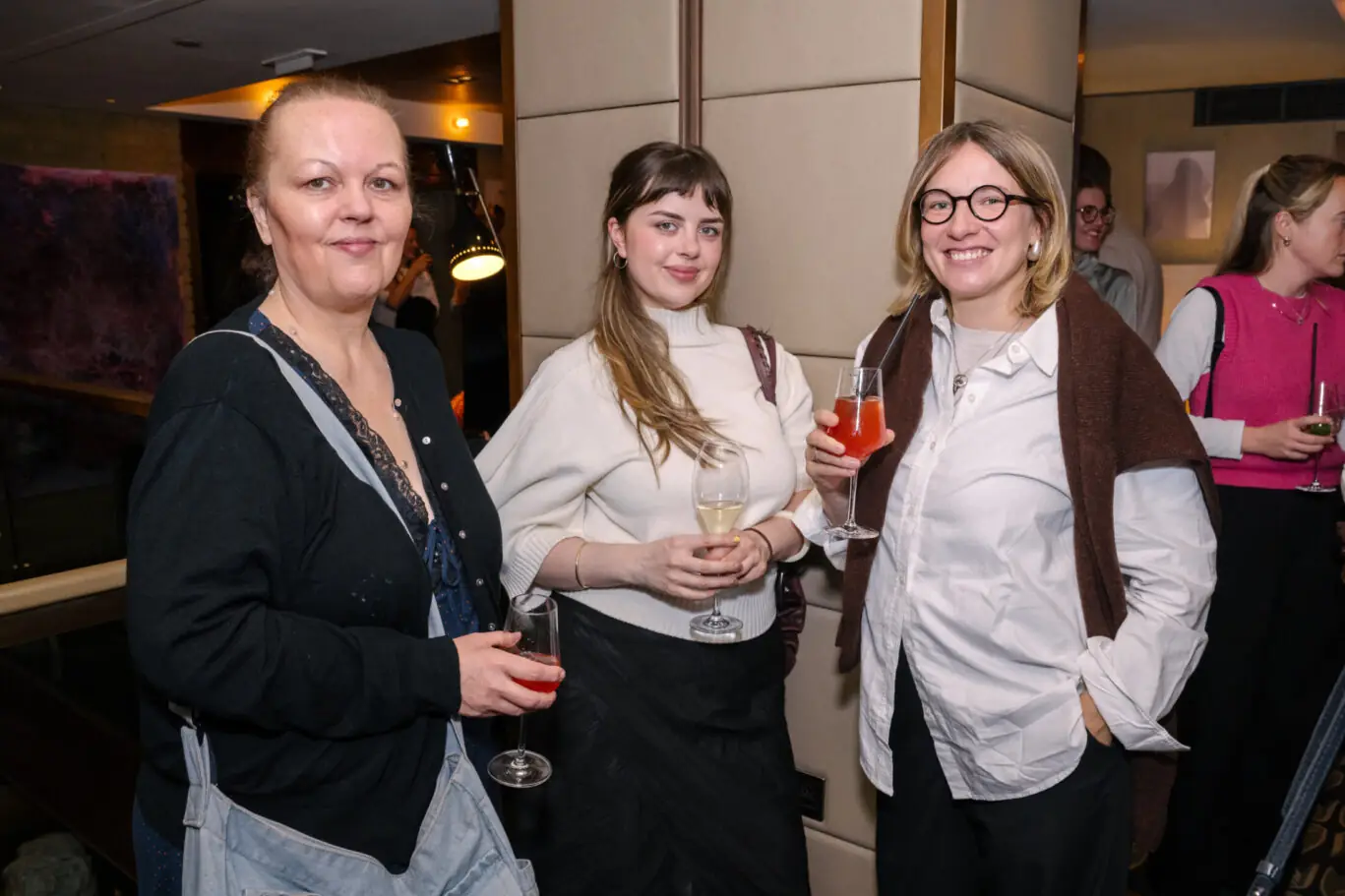
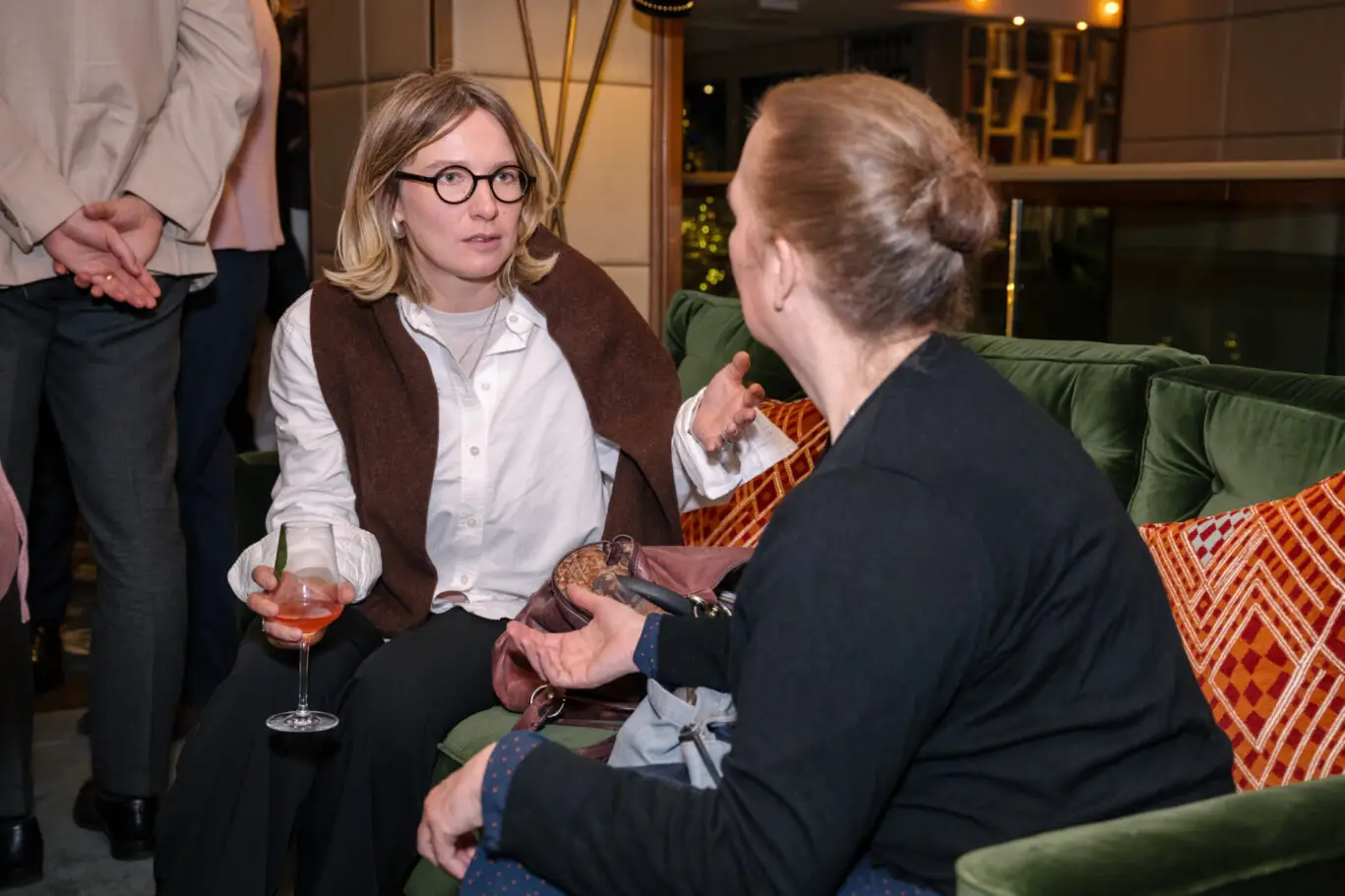
I first entered The Hari Art Prize last year and was fortunate enough to be shortlisted. I remember it as a wonderful experience, particularly the evening of the ceremony and the opportunity to meet other artists.

The application process was very easy, and I was genuinely touched by the thoughtful and attentive communication throughout, especially whenever I had questions. It made me feel that there were real people behind the prize who cared about the artists and their work. That experience stayed with me, and it was one of the reasons I decided to apply again in 2026.

Why did you feel it was important to enter The Hari Art Prize?


Being an artist can sometimes feel like working in a world of your own, without many of the conventional markers of recognition that come with other professions. There is no regular salary, annual review or bonus waiting at the end of a project. So much of the time, you are simply in your own bubble.

For me, prizes like this are valuable for many reasons. They create opportunities to meet fellow artists at similar stages in their journeys, exchange experiences, learn from one another and bring your work in front of a wider audience.

The Hari Art Prize also has an exceptional panel of judges, whose practices and perspectives I deeply admire. To have your work recognised by people whose judgement you respect is incredibly meaningful. It can give you the confidence to keep going, and sometimes the courage to take the next step.

How did you feel winning The Hari Art Prize?


I was somewhere between shocked, exhilarated, completely lost and somehow found all at once. It took me a little while to understand what had happened!

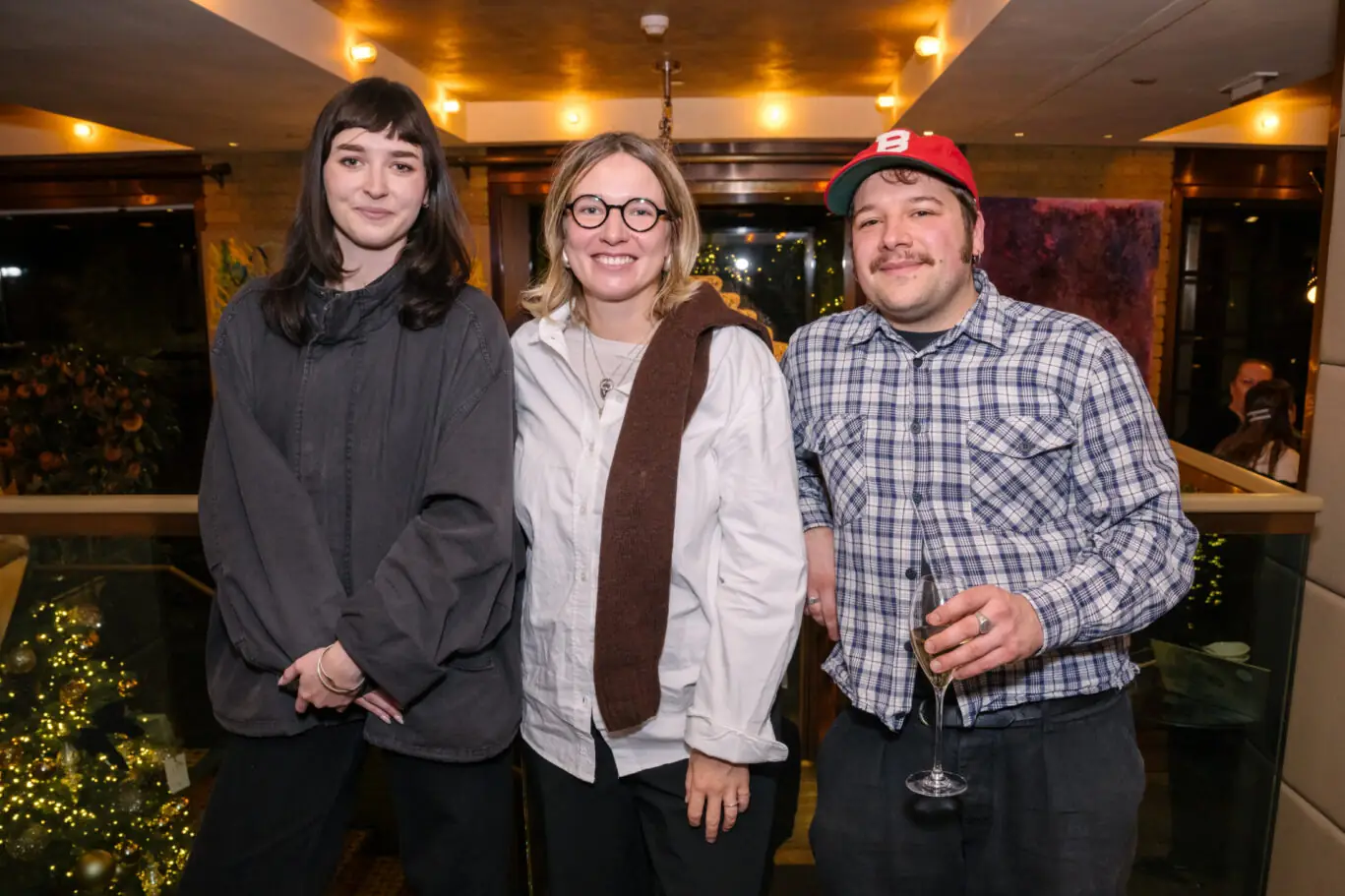
Luckily, I had my friends around me, who helped me process the moment and, more importantly, remember to enjoy it. It was one of those rare moments when all the uncertainty and hard work suddenly seem to find their place.

What is the story behind your winning piece, Rigid Bloom?


Rigid Bloom is a particularly precious work to me, both for its physical making and for the time I spent developing it. It took at least two months to complete and is an incredibly labour-intensive piece: every element is drawn by hand, embossed and then individually nailed into place.

There is something important to me about this relationship between delicacy and rigidity, between the organic gesture of drawing and the physical insistence of the materials.

The title itself holds a certain contradiction: a bloom suggests something alive, tender and unfolding, while rigidity implies constraint, resistance and an inability to move freely.

I think a lot about how something can continue to grow, or at least retain the appearance of growth, under conditions that are not necessarily nurturing. The work became a way of exploring that tension through a slow, almost meditative process of making.

What are your thoughts on the other pieces shortlisted?


One of the reasons I never really expected to win was that, when I encountered the other shortlisted works, I was genuinely in awe. The quality was remarkable, from the strength of the concepts to the thoughtfulness and precision of their execution.

I particularly loved the works by Olivia England, Grace McNerney, James Sibley, Izzie Beirne and Katie Surridge. It was a real pleasure to be in the company of such talented artists, and I felt very lucky to be part of this group.

What do you plan to do with the prize money?


I’m planning to invest in tools and equipment that I haven’t previously been able to afford, make some improvements to my studio and, perhaps most importantly, give myself the space to focus more fully on my practice.

It feels like a particularly exciting moment in my artistic journey. I hope the prize will allow me to scale up some of my ideas, experiment more boldly with materials and techniques, and pursue directions that might previously have felt a little out of reach.

Are there any upcoming projects you want to talk to us about?


I’m currently developing a new research project titled Anchoress 2.0, which I’m absolutely buzzing about. It has been kindly supported by the Stokroos Fund.

The project takes inspiration from medieval anchorites: religious figures who voluntarily withdrew their bodies from the world, often living in enclosed cells attached to churches, in order to devote themselves more completely to an inner, spiritual reality.

I’m interested in how this relationship between physical withdrawal and mental immersion has been transformed in our own time. Today, we increasingly withdraw our minds from the physical world while keeping our bodies firmly within it. The anchorhold has not disappeared; it has become portable.

I don’t yet know what final form the project will take. I hope the prize will give me the freedom to develop this work without some of the usual financial constraints. To be able to follow an idea without constantly negotiating with what is affordable feels absolutely wild.

Would you recommend The Hari Art Prize and encourage others to enter next year?


Absolutely! I would encourage any artist considering it to apply. The process is very easy, the communication is very smooth, and the prize offers much more than the possibility of financial support.

It is an opportunity to have your work seen, to connect with an amazing community of artists, to exchange ideas and to receive recognition from people working within the art world.

Graphic of letter

Keep up to date with The Hari

To receive the latest news and offers from The Hari, please enter your email below:

Thank you for your email address. By submitting your information, you are opting in for marketing promotional content from The Hari. Please see our privacy policy for more information