GOT HERE Array ( [strictly_necessary] => Array ( ) [functional] => Array ( ) [performance_analytics] => Array ( [0] => Array ( [0] => legacy [1] => [2] => ) [1] => Array ( [0] => mmAY7 [1] => [2] => ) ) [advertisement_targeting] => Array ( ) ) 意粉都叫 Spaghetti?常見意粉種類及意粉英文介紹|香港夏利酒店
Book a Stay
Book a Stay

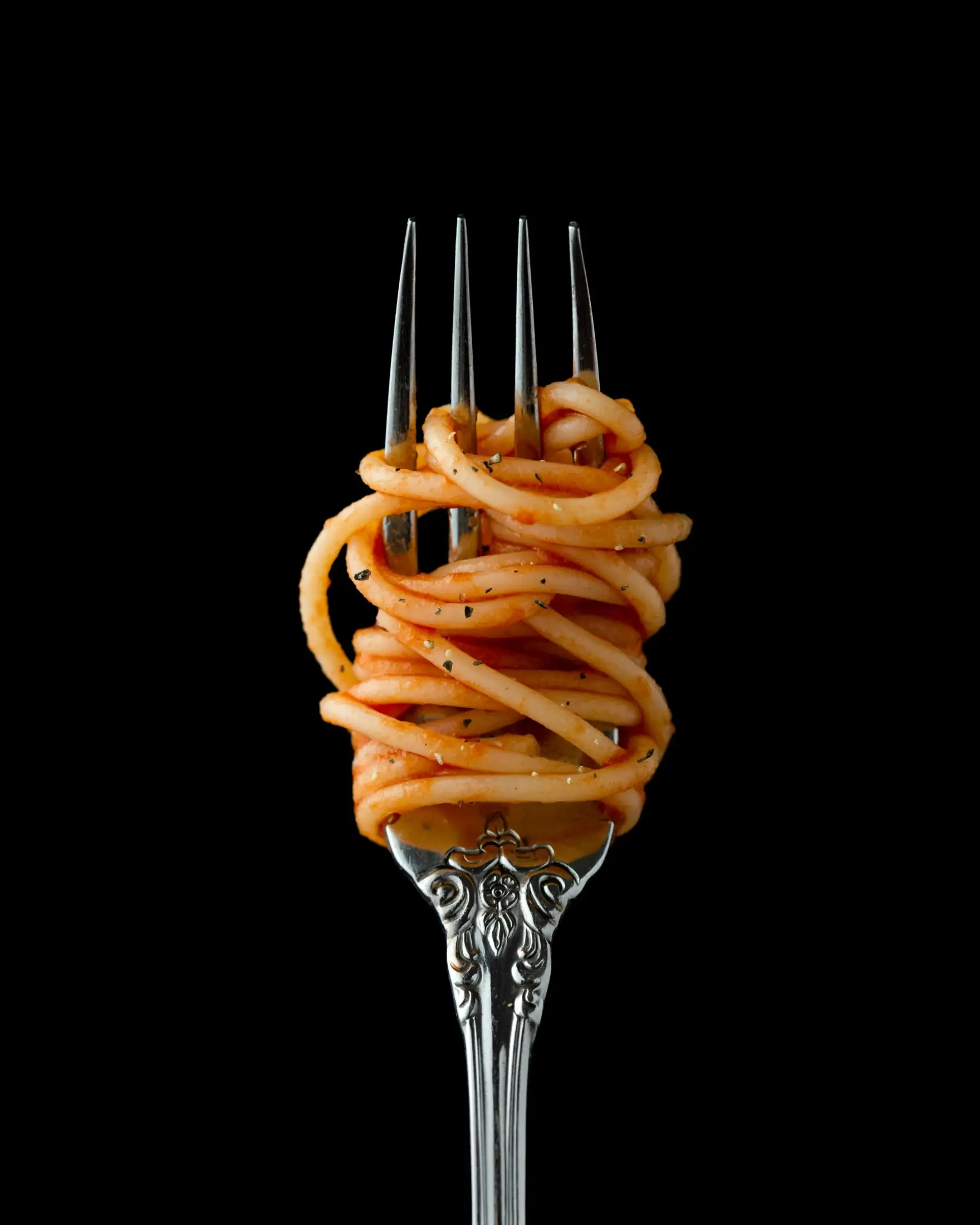
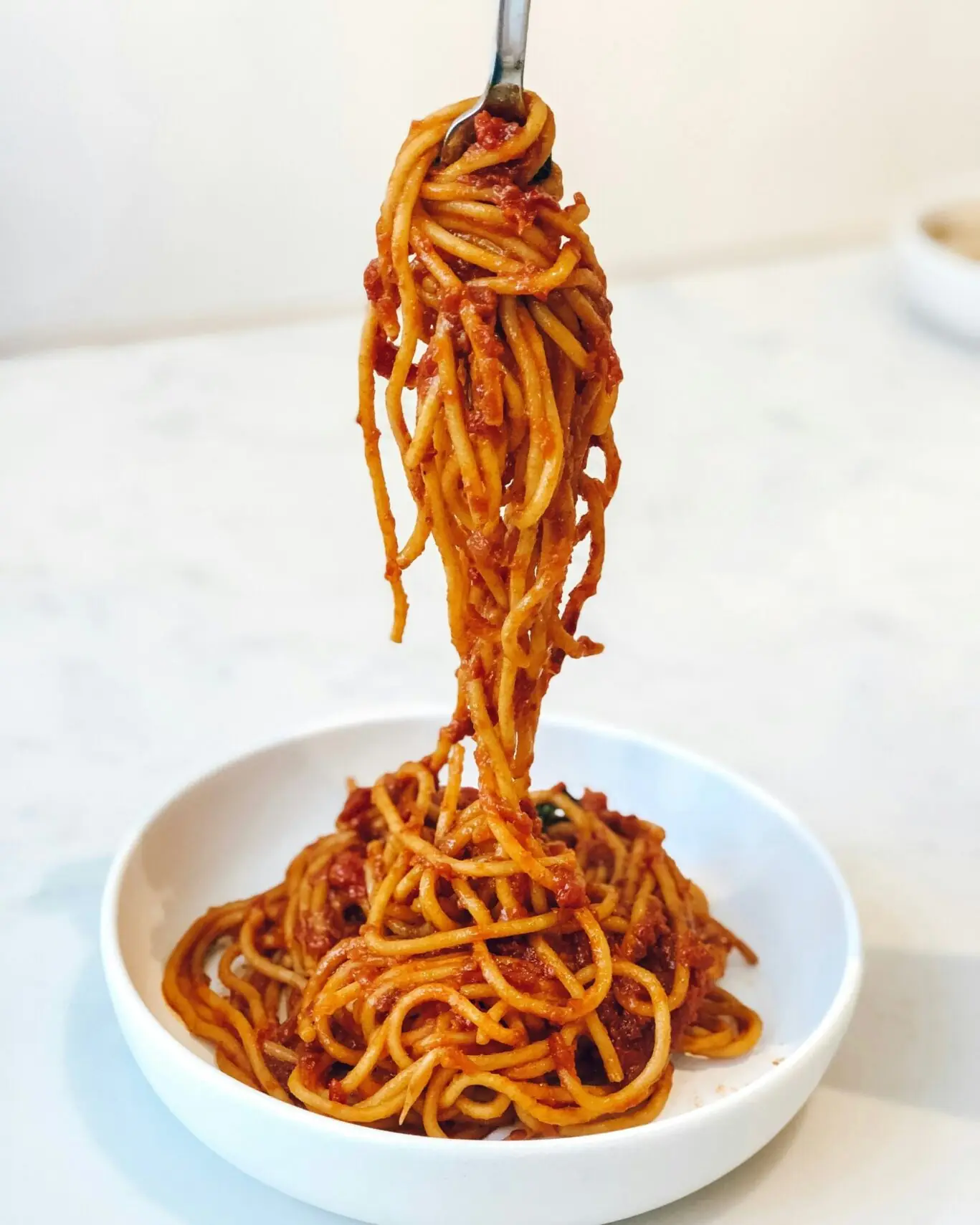
Have you ever browsed a Western restaurant menu, noticed terms like Spaghetti and Linguine, and wondered what sets them apart or which to order? And where does the general term pasta fit into it all?

In reality, each English pasta name refers to a distinct shape, texture, and culinary purpose. The Hari Hong Kong guides you through the most popular pasta varieties and their names—along with the unique benefits of pasta—helping you appreciate the subtle characteristics of every dish.

The History and Origins of Pasta


Pasta is the collective term for all Italian noodle varieties. Derived from the Latin word for “dough”, the exact origins of pasta remain a subject of historical debate, though two prominent theories stand out:

  • Popular legend holds that Venetian merchant Marco Polo introduced pasta to Europe after discovering it in China during the 13th century.1
  • A widely accepted historical account suggests Arab traders introduced dried durum wheat noodles (known as itriyah) to Sicily around the 11th century. From there, pasta-making techniques spread across mainland Italy, flourishing particularly in Naples. Following the introduction of tomatoes from the Americas in the 16th century, pairing pasta with rich tomato sauce became an essential pillar of Italian cuisine.2
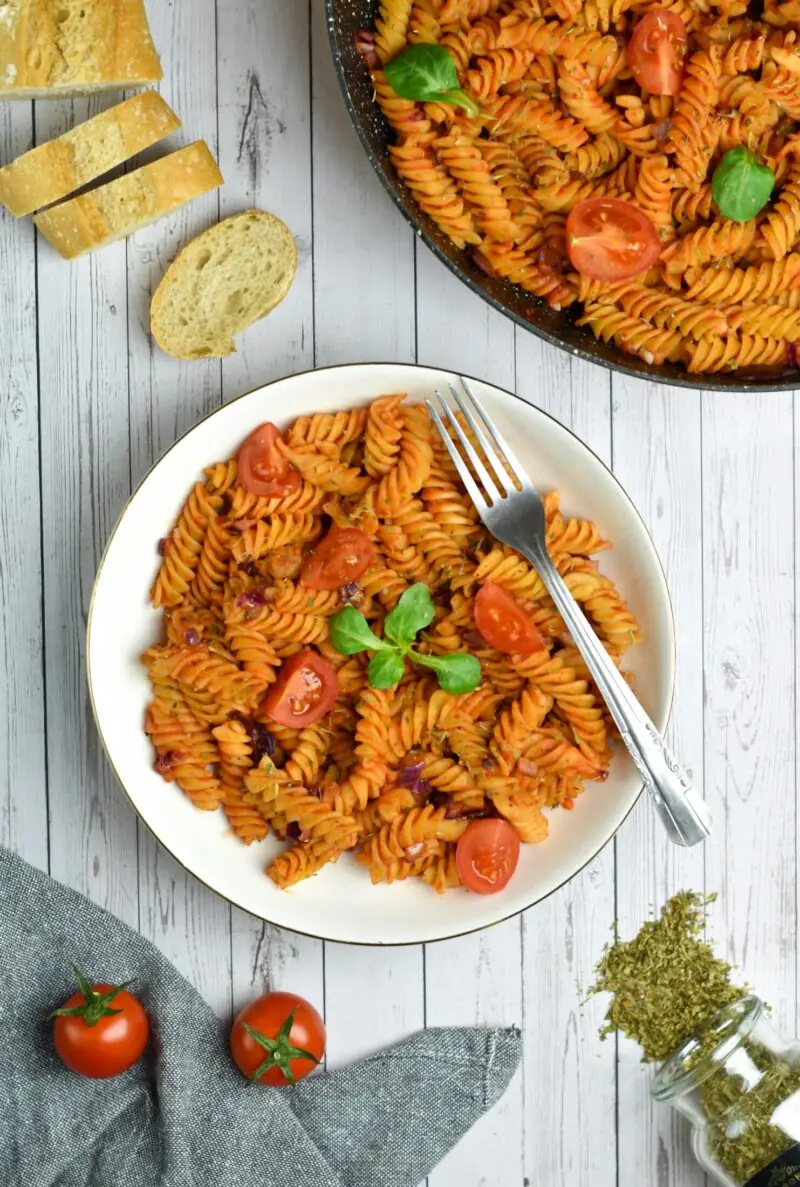
For those seeking an unforgettable Italian culinary journey in Hong Kong—replete with creative, handcrafted pasta dishes—Lucciola Restaurant & Bar, located at The Hari Hong Kong in Wan Chai, is the ultimate dining destination. Embracing a refined yet relaxed atmosphere, the restaurant delivers a modern interpretation of classic Italian cuisine. Here, the Chef relies strictly on the freshest seasonal ingredients, elevating traditional recipes with innovative culinary techniques to present diners with rich, inventive flavours.

Decorated in warm amber and deep forest green tones, Lucciola’s design seamlessly blends modern elegance with classic Italian flair. More than just a dining room, it is a vibrant space designed to celebrate the passion and art of Italian living (la dolce vita).

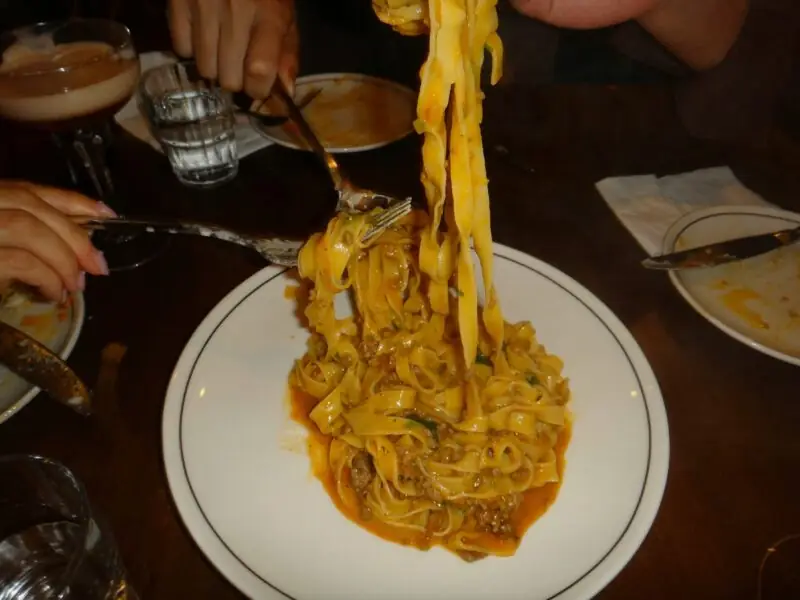
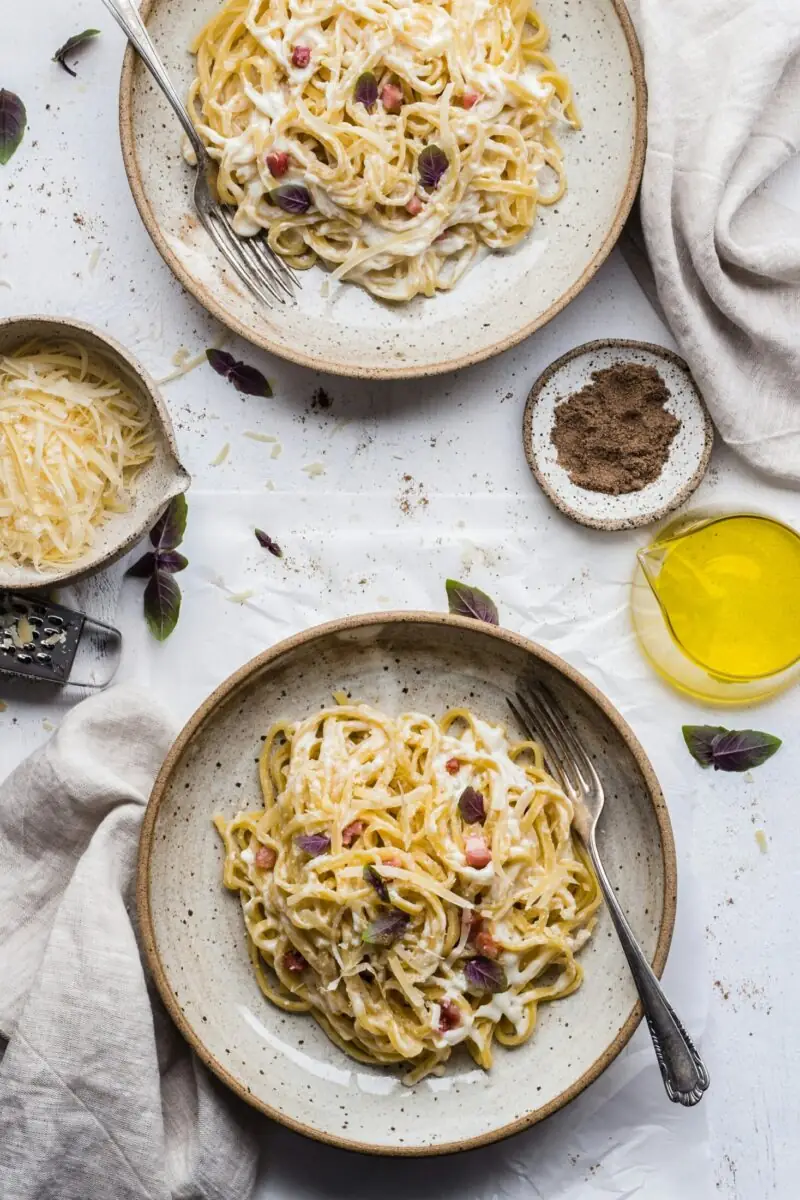
Explore Lucciola’s carefully curated menu to discover an exquisite selection of pasta creations. Highlights include timeless favourites such as classic Spaghetti alla Carbonara, vibrant Linguine alle Vongole bursting with fresh clam sweetness, and indulgent Tagliatelle with Wagyu Beef Ragù. Each dish harmoniously bridges traditional Italian heritage with contemporary dining aesthetics.

Beyond pasta, the menu features sumptuous specialties like Boston Lobster Risotto, alongside an array of authentic antipasti and mains—ensuring a complete, decadent Italian feast from starter through to dessert.

MAKE A RESERVATION

Frequently Asked Questions About Pasta


How many varieties of pasta are there in total?

According to culinary records, there are over 300 distinct pasta shapes and sizes produced globally, with thousands of regional variations across Italy.4

How long does it take to cook pasta?

Most dried, store-bought pasta takes approximately 8 to 10 minutes to reach al dente—cooked through yet retaining a firm, satisfying bite. However, exact cooking times vary depending on the shape and thickness, so it is always best to refer to the packaging instructions or taste test a minute before the recommended time.

What are the typical dimensions of pasta?

Pasta dimensions vary significantly depending on the shape and style. For instance, classic long spaghetti typically measures around 25 cm in length with a diameter ranging between 1.4 mm and 2.0 mm, whereas delicate varieties like angel hair (capellini) are much thinner, and ribbon shapes like pappardelle can measure up to 2 to 3 cm in width.


References:

  1. National Pasta Association, <Who “invented” pasta?>, https://web.archive.org/web/20110726174114/http://www.ilovepasta.org/faqs.html
  2. Inmamaskitchen, <The History of Pasta>, https://web.archive.org/web/20120331135946/http://www.inmamaskitchen.com/FOOD_IS_ART/pasta/historypasta.html
  3. 消費者委員會,《【意粉冷知識】睇成分表就知邊款產品彈牙啲?食意粉比食飯低卡?》,https://www.consumer.org.hk/tc/shopping-guide/trivia/2022-trivia-spaghetti
  4. Michelin Guide,《世界意大利麵日:意粉的A-Z》,https://guide.michelin.com/mo/zh_HK/article/features/world-pasta-day-an-a-z-guide-to-pasta
letter

Keep up to date with The Hari Hong Kong

To receive the latest news and offers from The Hari, please enter your email below:

Thank you for your email address. By submitting your information, you are opting in for marketing promotional content from The Hari. Please see our privacy policy for more information.