Essential Japanese Table Etiquette: Customs & Courtesies
Japanese dining etiquette revolves around Omotenashi (the spirit of selfless hospitality) and a deep respect for the ingredients, the host, and fellow diners. Observing these essential customs and table manners will ensure a seamless and gracious dining experience:
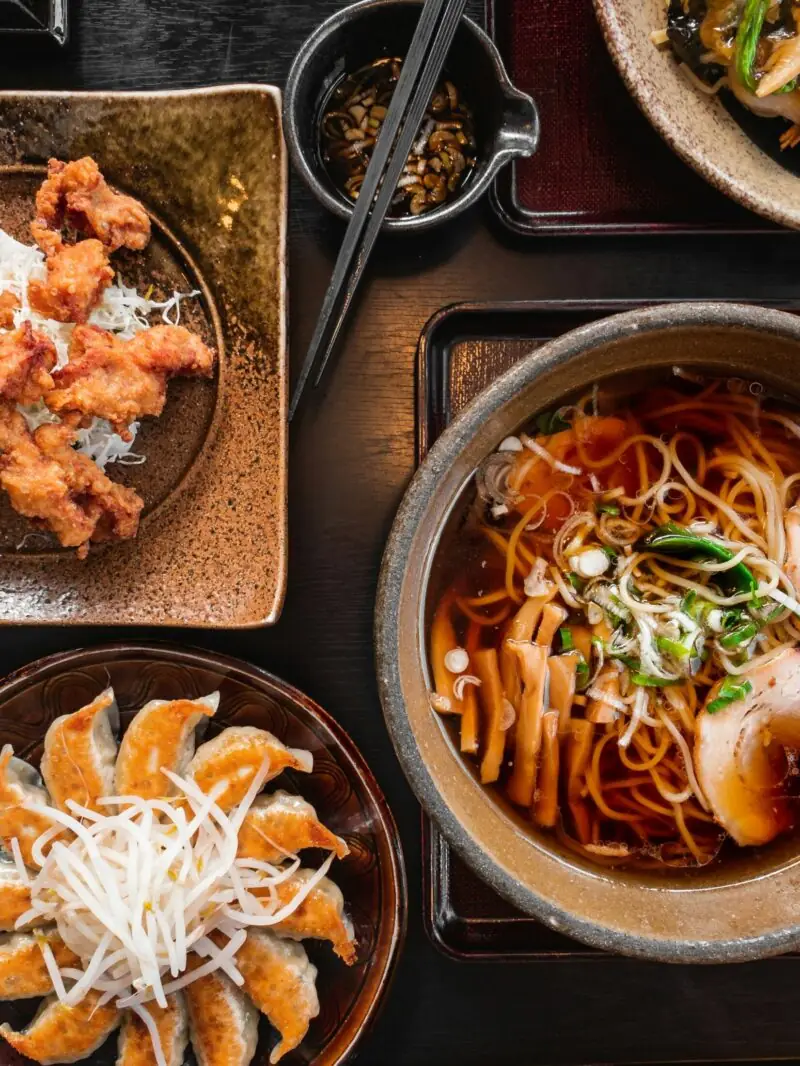
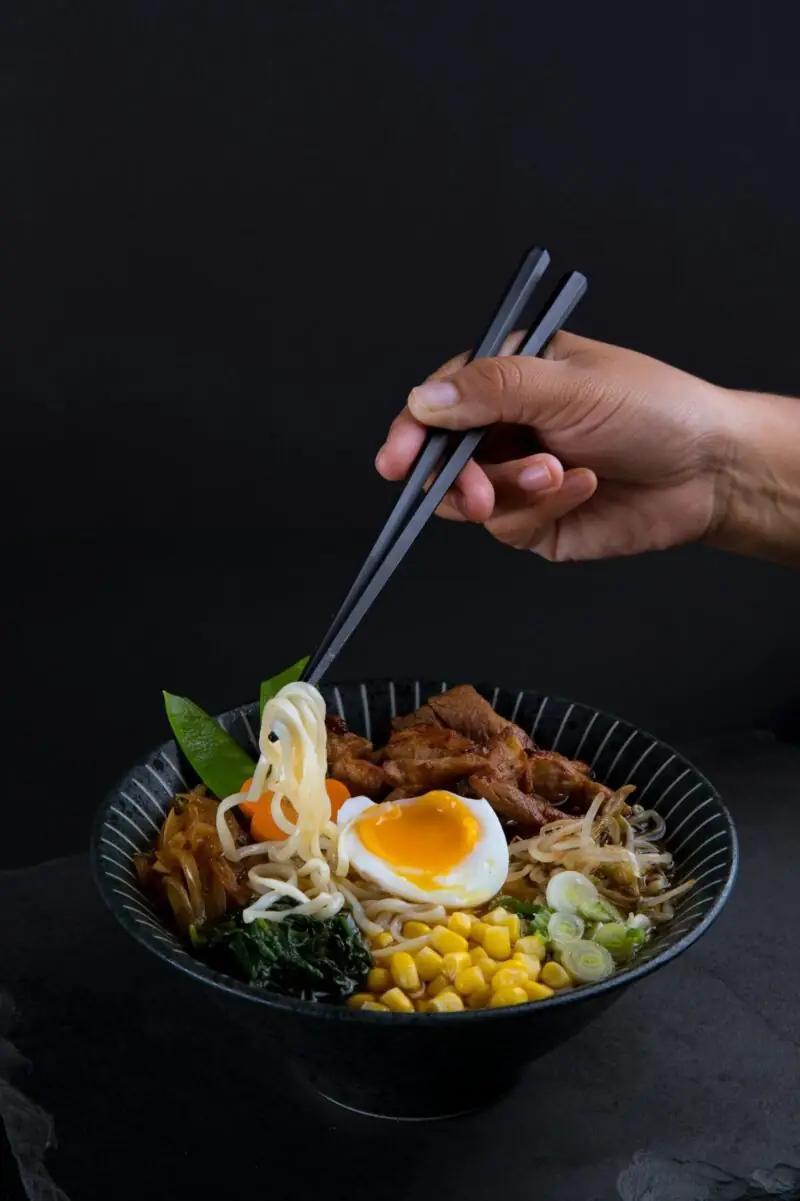
- When enjoying ramen or sobaby, making a subtle slurping noise is entirely natural and welcomed—it is seen as a sign of appreciation and helps cool the hot noodles while releasing their full flavour.
- Aim to finish every morsel served, as leaving food behind can be interpreted as wasteful or unappreciative of the chef’s craft and ingredients.
- Bring small rice or soup bowls close to your chest rather than bending your head low toward the table.
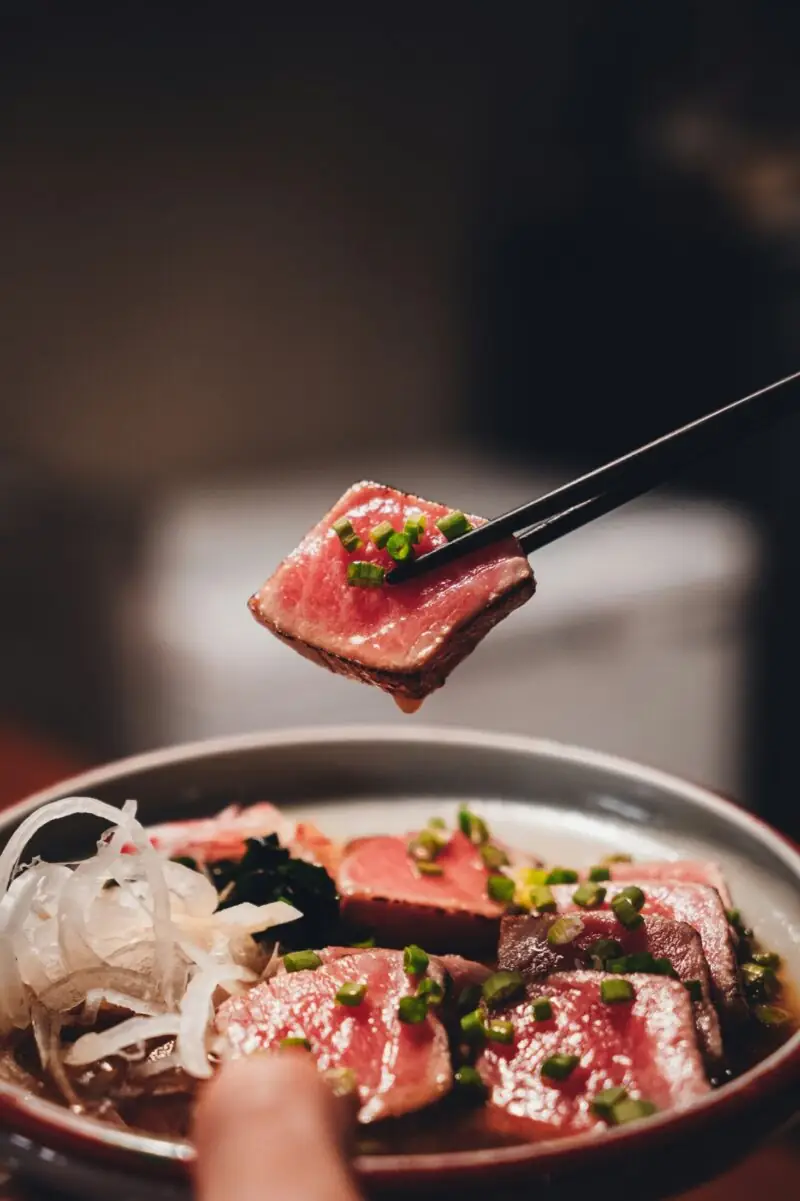
- Divide larger portions into smaller, manageable bites using your chopsticks rather than taking overly large mouthfuls.
- Preserve the aesthetic arrangement of the dish as served; avoid rummaging through or disturbing the layout of the food.
- Keep your elbows off the table throughout the meal to maintain proper dining posture.
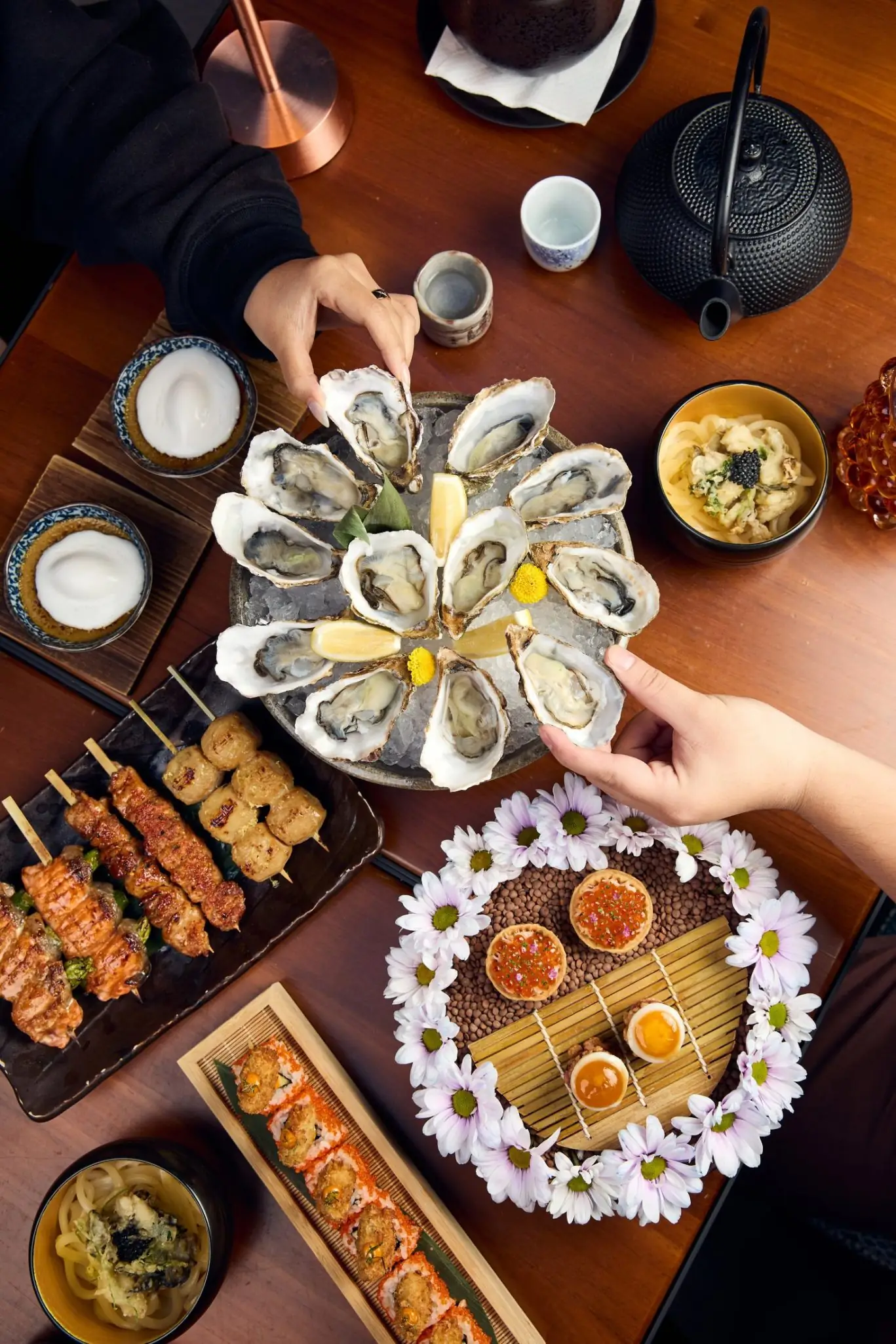
- Transfer food from shared serving platters to your personal side plate first, rather than eating directly from the communal dish.
- Never spear food with chopsticks, point them at fellow diners, or use them to drag bowls across the table. Crucially, avoid passing food chopstick-to-chopstick or resting chopsticks upright in a bowl of rice, as both closely resemble Japanese funeral rites.
- Hospitality is reciprocal—always pour drinks for your companions using both hands rather than topping up your own glass. When receiving a pour, hold your glass gently with both hands as a polite gesture. If you do not wish for a refill, simply leave your glass partially full, as an empty glass signals an invitation for more.