GOT HERE Array ( [strictly_necessary] => Array ( ) [functional] => Array ( ) [performance_analytics] => Array ( [0] => Array ( [0] => legacy [1] => [2] => ) [1] => Array ( [0] => mmAY7 [1] => [2] => ) ) [advertisement_targeting] => Array ( ) ) 日本美食有哪些?飲食文化 + 餐桌禮儀介紹|香港夏利酒店
Book a Stay
Book a Stay

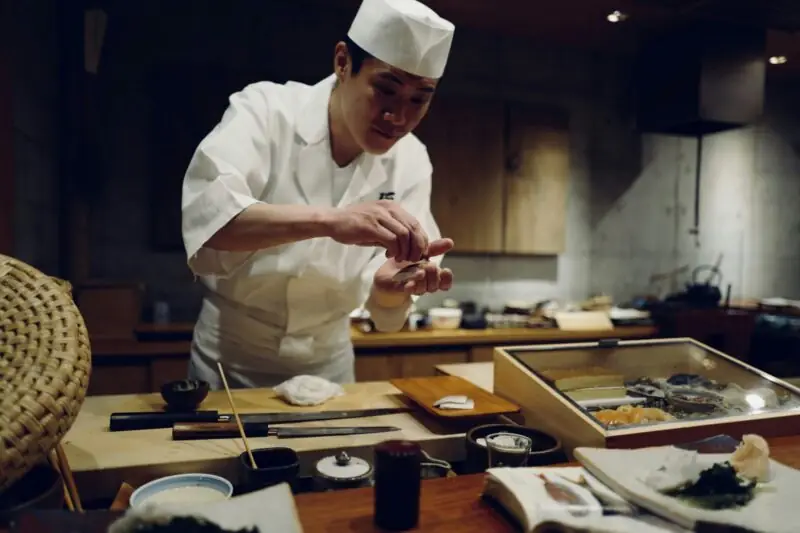
Renowned for its flawless etiquette and rich traditions, Japan remains one of the world’s most cherished travel destinations. Beyond the exquisite flavours of Japanese cuisine, understanding the underlying dining culture and table manners is essential—offering a meaningful gesture of respect towards the ingredients, the chefs, and your fellow diners.

What key dining customs should you keep in mind when enjoying Japanese food? What defines Japan’s unique culinary heritage, and how do Kaiseki and Kaisekiryori fundamentally differ?

In this editorial, The Hari Hong Kong takes a closer look at Japanese gastronomy. From quintessential regional dishes to essential table etiquette, explore our guide to enjoying Japanese dining with effortless grace and authenticity.

Essential Japanese Table Etiquette: Customs & Courtesies


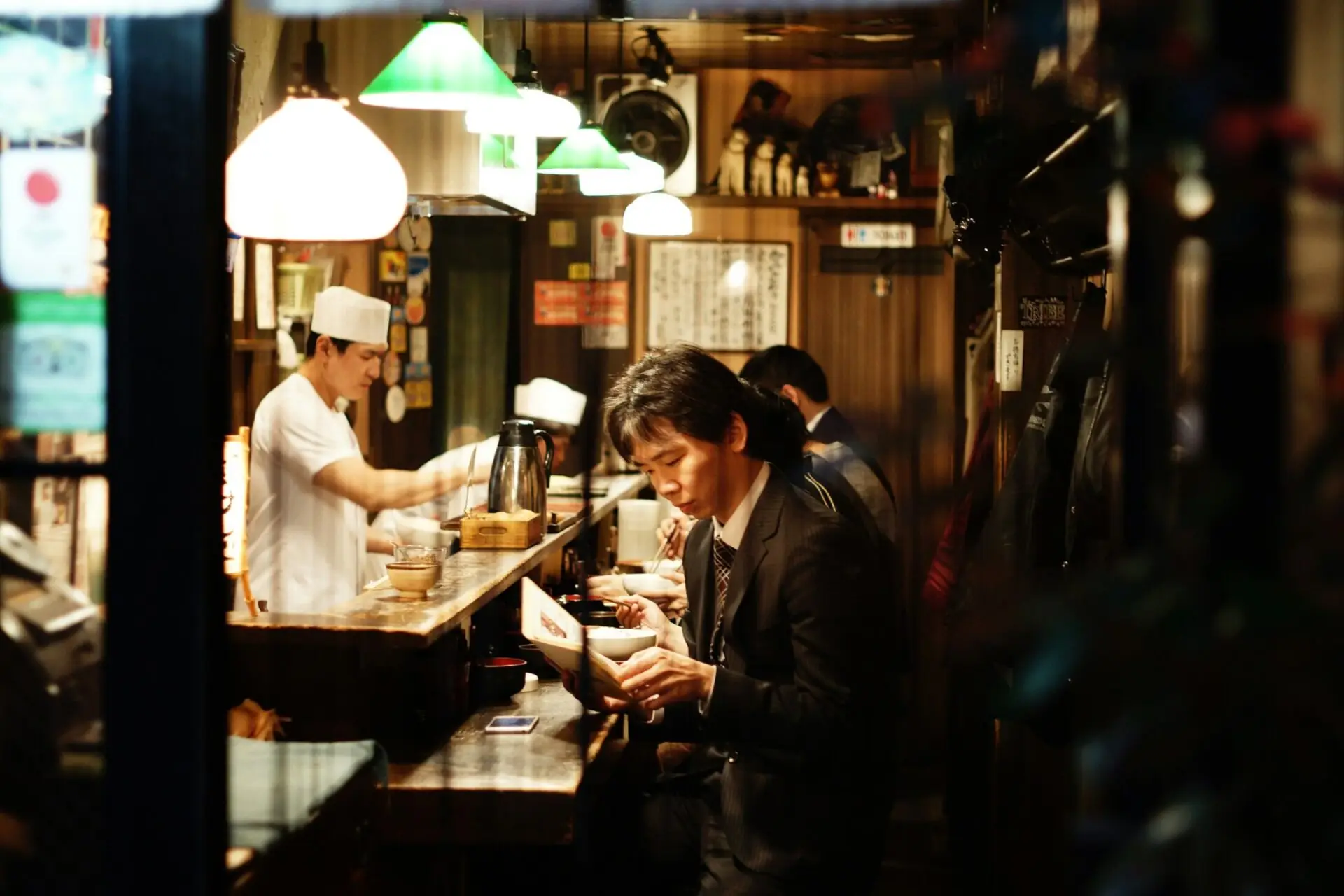
Japanese dining etiquette revolves around Omotenashi (the spirit of selfless hospitality) and a deep respect for the ingredients, the host, and fellow diners. Observing these essential customs and table manners will ensure a seamless and gracious dining experience:

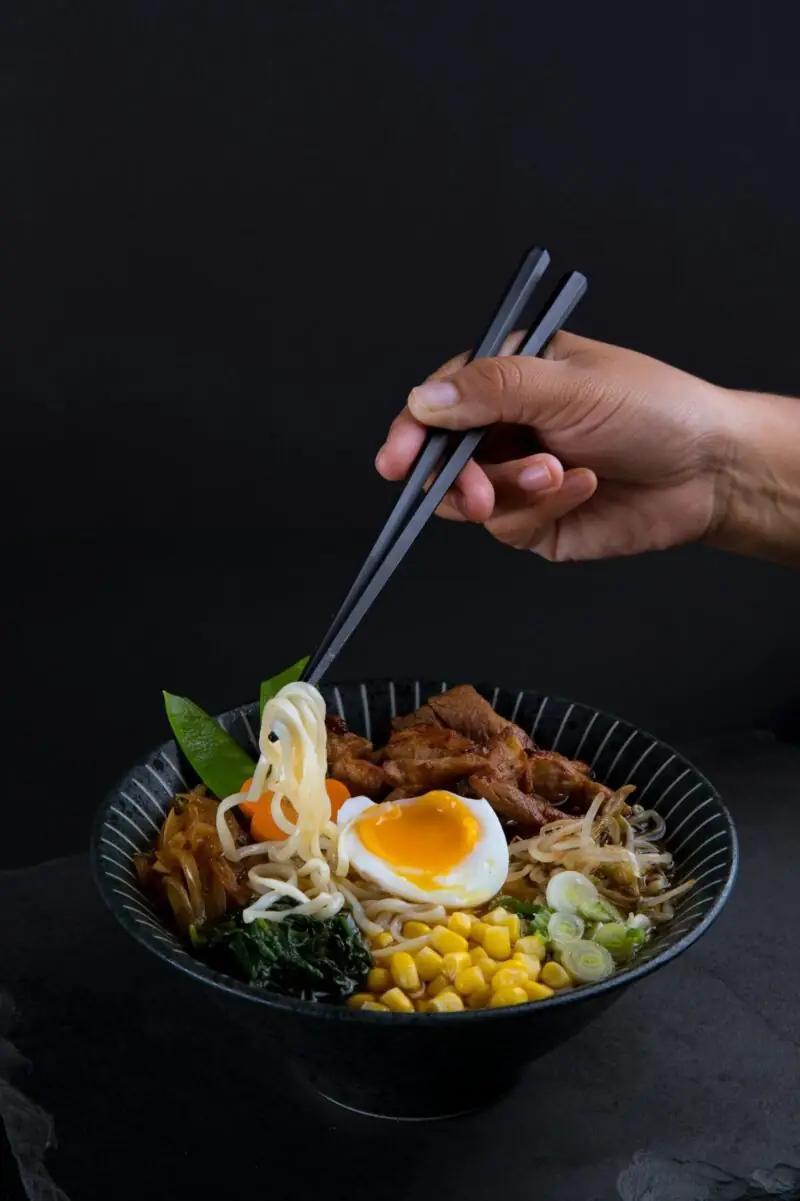
  • When enjoying ramen or sobaby, making a subtle slurping noise is entirely natural and welcomed—it is seen as a sign of appreciation and helps cool the hot noodles while releasing their full flavour.
  • Aim to finish every morsel served, as leaving food behind can be interpreted as wasteful or unappreciative of the chef’s craft and ingredients.
  • Bring small rice or soup bowls close to your chest rather than bending your head low toward the table.
  • Divide larger portions into smaller, manageable bites using your chopsticks rather than taking overly large mouthfuls.
  • Preserve the aesthetic arrangement of the dish as served; avoid rummaging through or disturbing the layout of the food.
  • Keep your elbows off the table throughout the meal to maintain proper dining posture.
  • Transfer food from shared serving platters to your personal side plate first, rather than eating directly from the communal dish.
  • Never spear food with chopsticks, point them at fellow diners, or use them to drag bowls across the table. Crucially, avoid passing food chopstick-to-chopstick or resting chopsticks upright in a bowl of rice, as both closely resemble Japanese funeral rites.
  • Hospitality is reciprocal—always pour drinks for your companions using both hands rather than topping up your own glass. When receiving a pour, hold your glass gently with both hands as a polite gesture. If you do not wish for a refill, simply leave your glass partially full, as an empty glass signals an invitation for more.
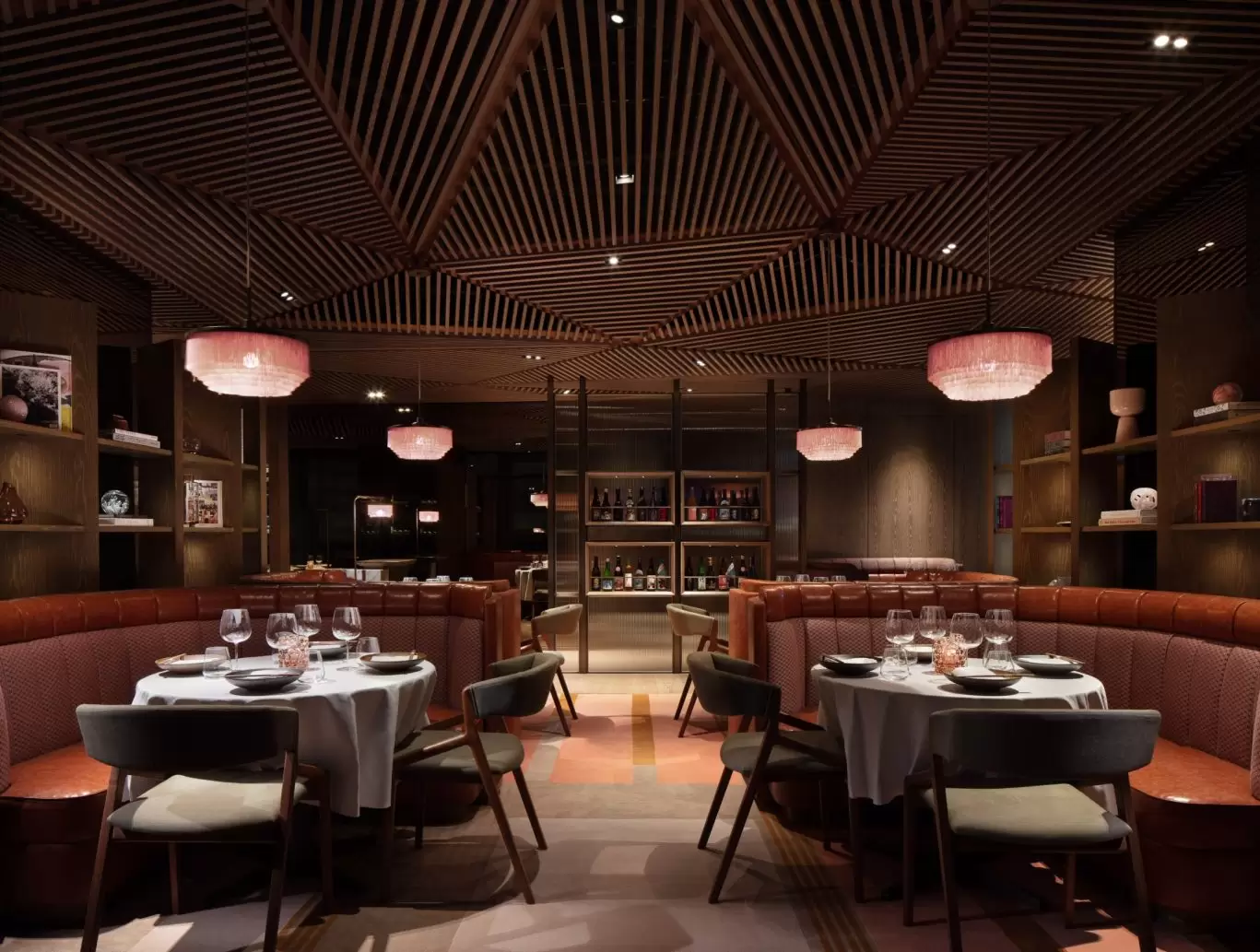
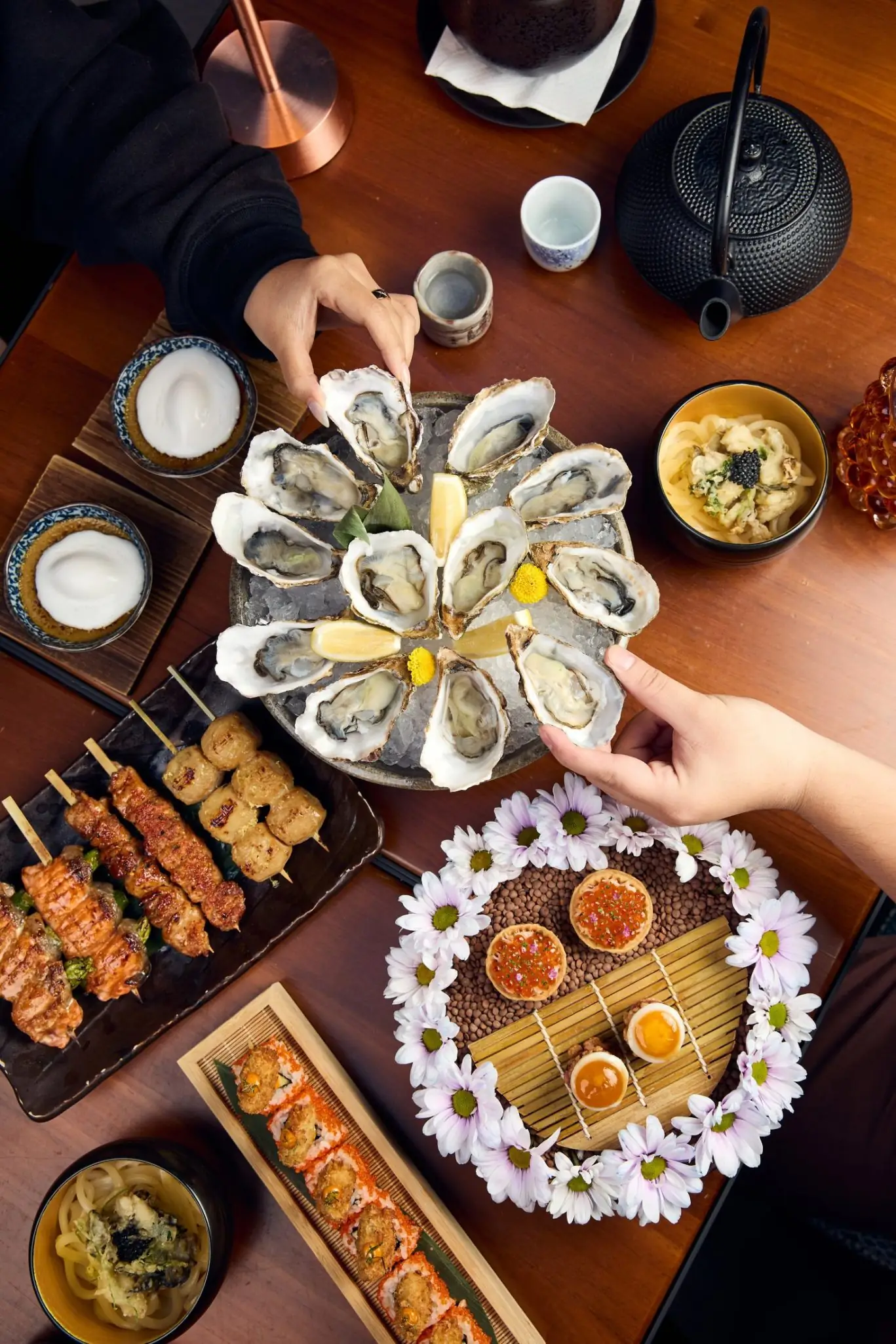
An Artful Japanese Culinary Experience in Wan Chai Zoku Restaurant


Finding a dining destination in Hong Kong that seamlessly bridges the traditional soul of Japanese cuisine with contemporary flair is a rare delight—a balance achieved effortlessly at Zoku Restaurant, located on the second floor of The Hari Hong Kong. Derived from the Japanese word for “clan” or “family”, Zoku serves as a vibrant gathering place where discerning food lovers come together to indulge and connect. By sourcing premium seasonal ingredients from Japan, the culinary team thoughtfully reinterprets classic dishes for modern palates, embedding the aesthetics of Japanese gastronomy into today’s social culture.

For those seeking the ultimate ocean-fresh indulgence, the “Oyster Tuesday” experience showcases carefully selected seasonal oysters, offering a sweet, clean taste of the sea amidst the city’s lively pulse.

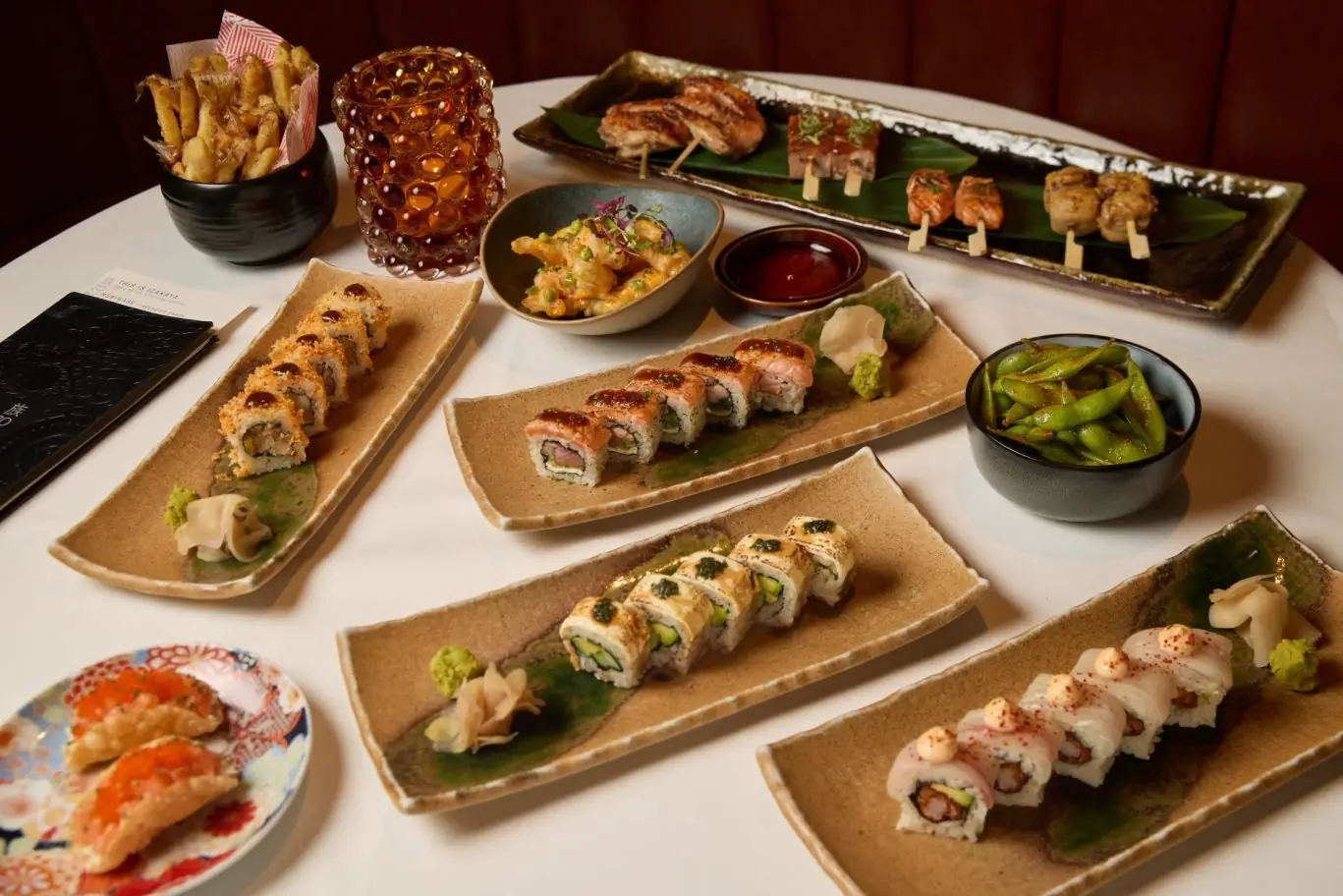
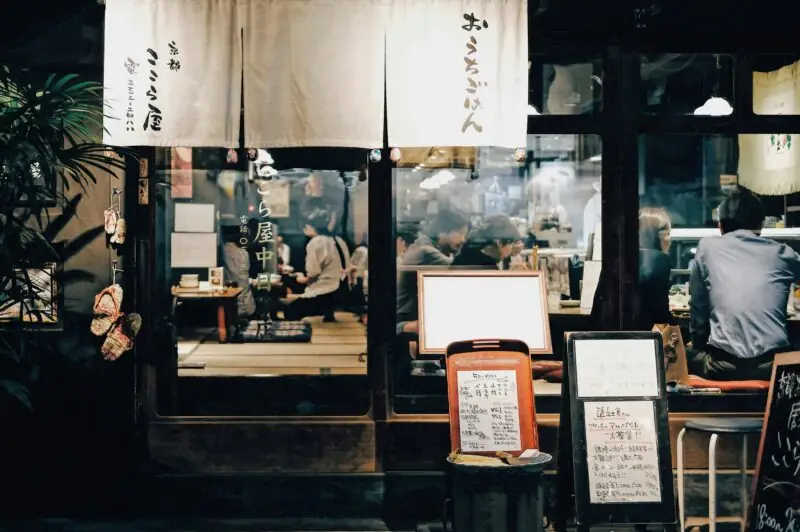
Midweek dining is elevated with the weekly “This is IZAKAYA” event every Wednesday evening. Reimagining traditional Japanese pub culture with chic sophistication, the night features innovative dishes such as Salmon Tartare Tacos, Salt-Grilled Chicken Wings, and an array of creative sushi rolls—complemented by charcoal-grilled skewers and curated Japanese sakes. Enhanced by live performances from local musicians, it provides an energetic yet relaxed backdrop for socialising.

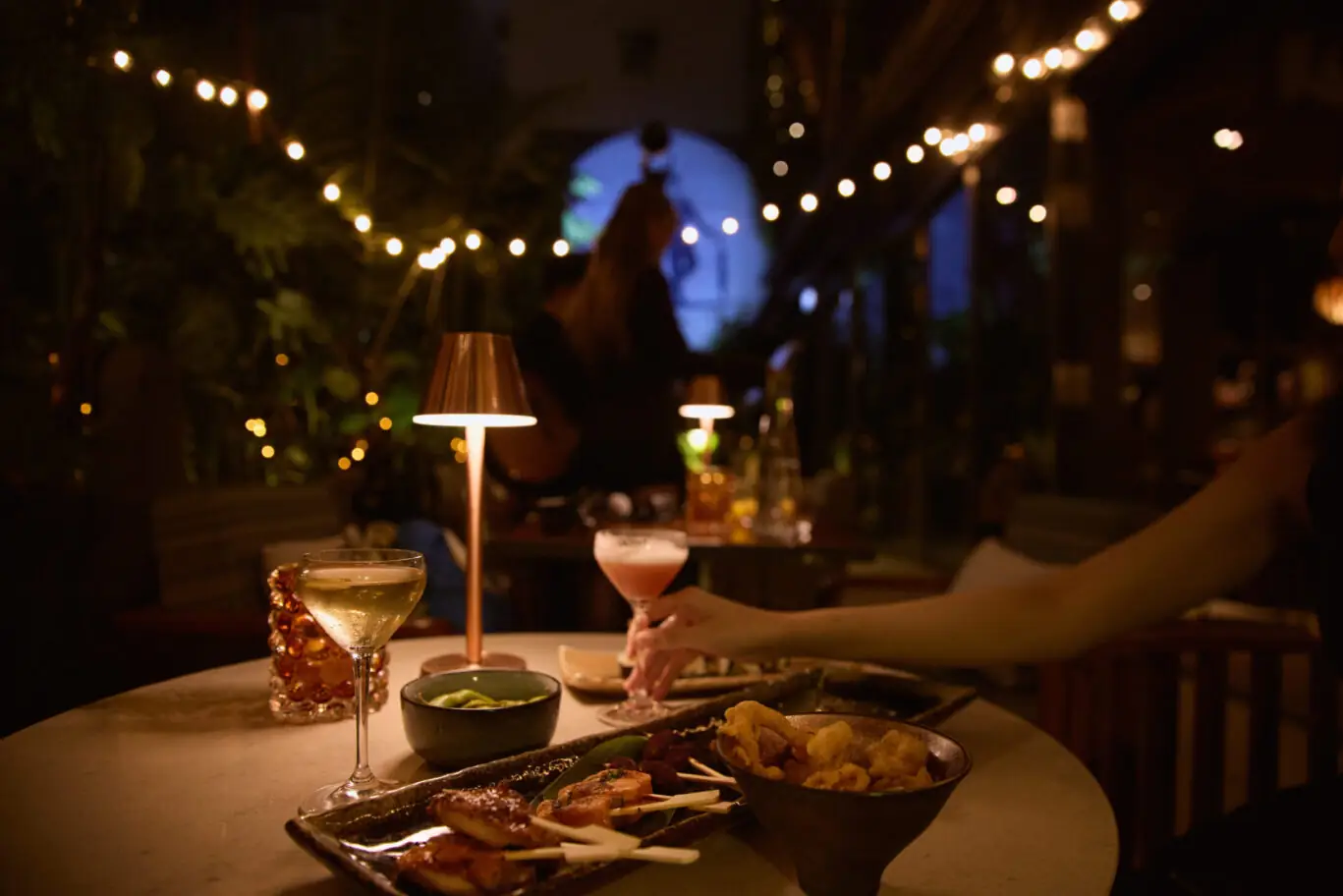
The experience flows naturally from the stylish indoor dining room out to The Terrace, a lush garden oasis. Set beneath the evening stars, guests can savour the spirited atmosphere of an izakaya merged with the sophisticated charm of Wan Chai, enjoying an unforgettable social and culinary affair.

Japanese Dining FAQ


What are some affordable Japanese food options?

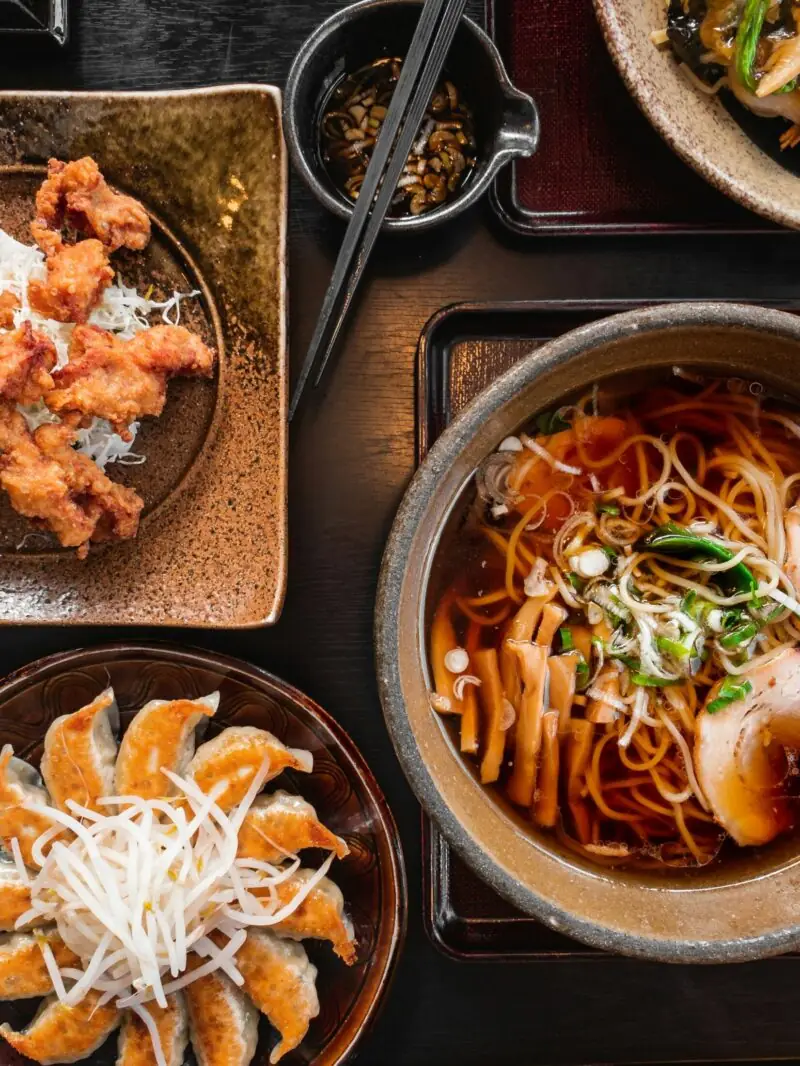
Gyudon (beef rice bowls), ramen, and set meals (teishoku) are among the most popular budget-friendly options in Japan. They are both accessible and widely available, offering a wonderful taste of authentic daily food culture.

What are some unique or adventurous Japanese delicacies?

Distinctive Japanese foods include natto (fermented soybeans), tamago kake gohan (raw egg over rice), whale meat, shirako (cod milt), and kusaya (salted, dried fermented fish).

Do you have to order alcohol at an izakaya?

Not at all. Izakayas offer plenty of non-alcoholic options, such as soft drinks, teas, and fruit juices. While drinking alcohol isn’t mandatory, it is customary in Japanese pub culture for every diner to order at least one beverage upon being seated.


References:

  1. Japan National Tourism Organization, Japanese Food Etiquette Guide, https://www.japan.travel/hk/guide/japanese-food-etiquette/
  2. All About Japan, The Difference Between Washoku and Nihon Ryori, Kappo and Ryotei, https://allabout-japan.com/zh-tw/article/10832/


letter

Keep up to date with The Hari Hong Kong

To receive the latest news and offers from The Hari, please enter your email below:

Thank you for your email address. By submitting your information, you are opting in for marketing promotional content from The Hari. Please see our privacy policy for more information.